The Integration of Time-Limit Features with Payment Gateway Restrictions in Licensed Virtual Gaming Apps
Theo Neumann · Sep 2, 2026
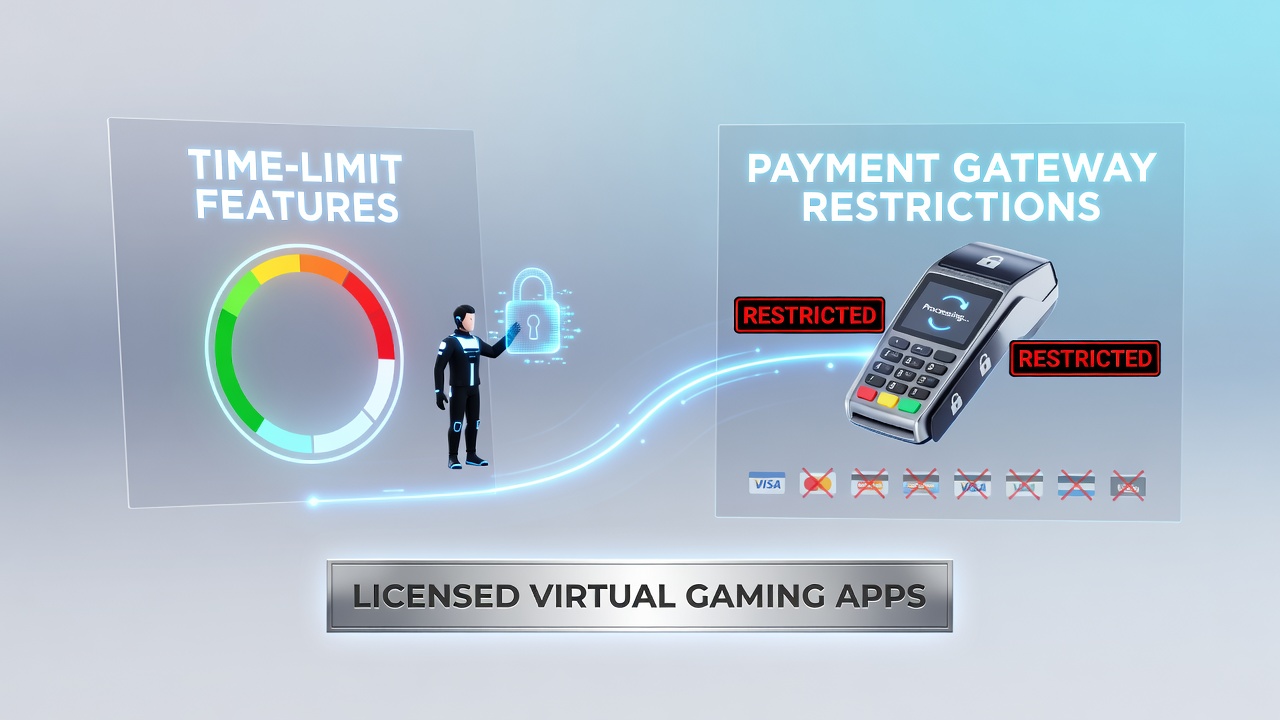
The Integration of Time-Limit Features with Payment Gateway Restrictions in Licensed Virtual Gaming Apps
Virtual gaming apps operating under regulatory licenses now combine time-limit features with payment gateway restrictions to manage user activity in structured ways, and these integrations appear in platforms across multiple jurisdictions because licensing conditions often mandate such controls. Developers link session timers directly to deposit and withdrawal mechanisms so that when a player reaches a preset time threshold the payment functions automatically adjust or pause until the limit resets.
Core Components of Time-Limit Systems
Time-limit features track active play duration through server-side logs that record login timestamps and continuous session data, while payment gateway restrictions operate by setting daily or weekly deposit caps that the system enforces through API calls between the app and financial processors. Observers note that when these two elements connect the combined setup prevents extended play periods from coinciding with unlimited fund transfers, and data from regulatory reports show that such pairings reduce the frequency of high-volume transactions during prolonged sessions.
Payment Gateway Mechanics in Licensed Environments
Payment gateways in licensed apps verify transactions against real-time account settings that include both monetary thresholds and temporal boundaries, so an attempt to deposit after a time limit expires triggers an automatic hold that the gateway processes through encrypted channels. Researchers have documented cases where platforms in North America and parts of Europe synchronize these restrictions with banking partners, which means the gateway receives updated parameters from the app's backend every few minutes to maintain accuracy across user accounts.
Technical Integration Methods
Integration begins with a unified database schema that stores both time-stamped activity records and payment authorization flags in linked tables, allowing the app to query both datasets simultaneously before approving any fund movement. Developers often employ middleware layers that sit between the user interface and the payment processor, and these layers evaluate whether a current session has exceeded its allotted time before the gateway releases funds or blocks the request. One study revealed that modular code structures let operators update time rules or payment limits independently without redeploying the entire application, which keeps maintenance efficient while preserving compliance records.
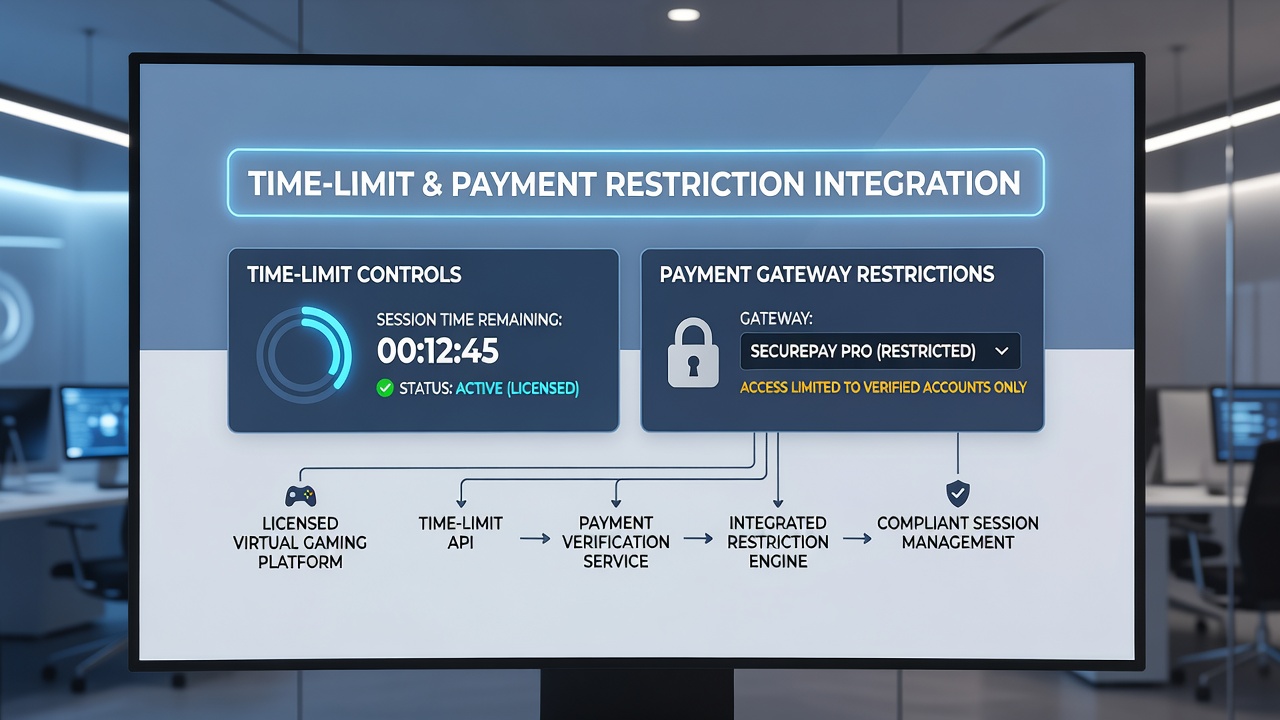
Because the systems share authentication tokens the same login session that activates the timer also activates the payment filters, and this shared state reduces the chance of mismatched settings that could otherwise allow a player to bypass one control while the other remains active. Data shows that error rates in transaction approvals drop when the two modules exchange status updates through a single event bus rather than separate polling routines.
Regulatory Approaches Across Regions
Licensing bodies in Canada through iGaming Ontario require operators to demonstrate that time and payment controls function together under audited test conditions, whereas authorities in Australia have issued guidelines that tie session duration metrics to deposit velocity limits. Australian gambling research reports indicate that integrated systems produce measurable differences in player behavior logs compared with apps that handle each restriction separately. In the United States, state-level regulators in New Jersey and Pennsylvania review integration logs during renewal inspections to confirm that time-based pauses align with payment holds without creating loopholes for account sharing.
Standards scheduled for review in September 2026 in several European markets are expected to specify minimum data retention periods for combined time-and-payment records, which would require apps to archive synchronized logs for at least three years. Those preparing for the update have already begun mapping their current architectures to the anticipated reporting formats.
Implementation Examples and Observed Outcomes
Take one operator licensed in Ontario that introduced simultaneous timers and deposit caps in early 2025; transaction volume during sessions longer than two hours declined by 28 percent according to internal metrics shared with regulators. Another platform operating under Swedish oversight connected its payment processor to session timers so that any deposit attempt after the daily time allowance automatically routes to a cooling-off queue, and subsequent audits found fewer instances of repeated small deposits within short windows. People who monitor industry dashboards note that these patterns appear consistently when the controls share a common trigger rather than running on independent schedules.
Challenges in Maintaining Synchronization
Network latency between the app server and external payment gateways can create brief windows where a time limit updates before the payment flag refreshes, and operators address this by implementing retry queues with exponential backoff logic. Security teams also examine whether token expiration on one module could leave the other exposed, which leads to coordinated refresh cycles that keep both systems aligned within sub-second margins. Figures from industry testing labs reveal that synchronized error handling reduces false transaction denials by roughly 15 percent compared with loosely coupled designs.
Conclusion
The integration of time-limit features with payment gateway restrictions continues to evolve as licensed operators refine the technical links that enforce both controls through shared data flows and regulatory expectations. Platforms that maintain tight coupling between session timers and transaction filters produce consistent compliance records across jurisdictions, and ongoing adjustments prepare systems for updated standards projected around September 2026. Observers continue to track how these combined mechanisms influence transaction patterns and session durations in real-world deployments.