Mapping Behavioral Triggers in UK Crypto Casino Apps to Self-Exclusion Activation Rates
Theo Lehmann · Oct 15, 2026
Mapping Behavioral Triggers in UK Crypto Casino Apps to Self-Exclusion Activation Rates
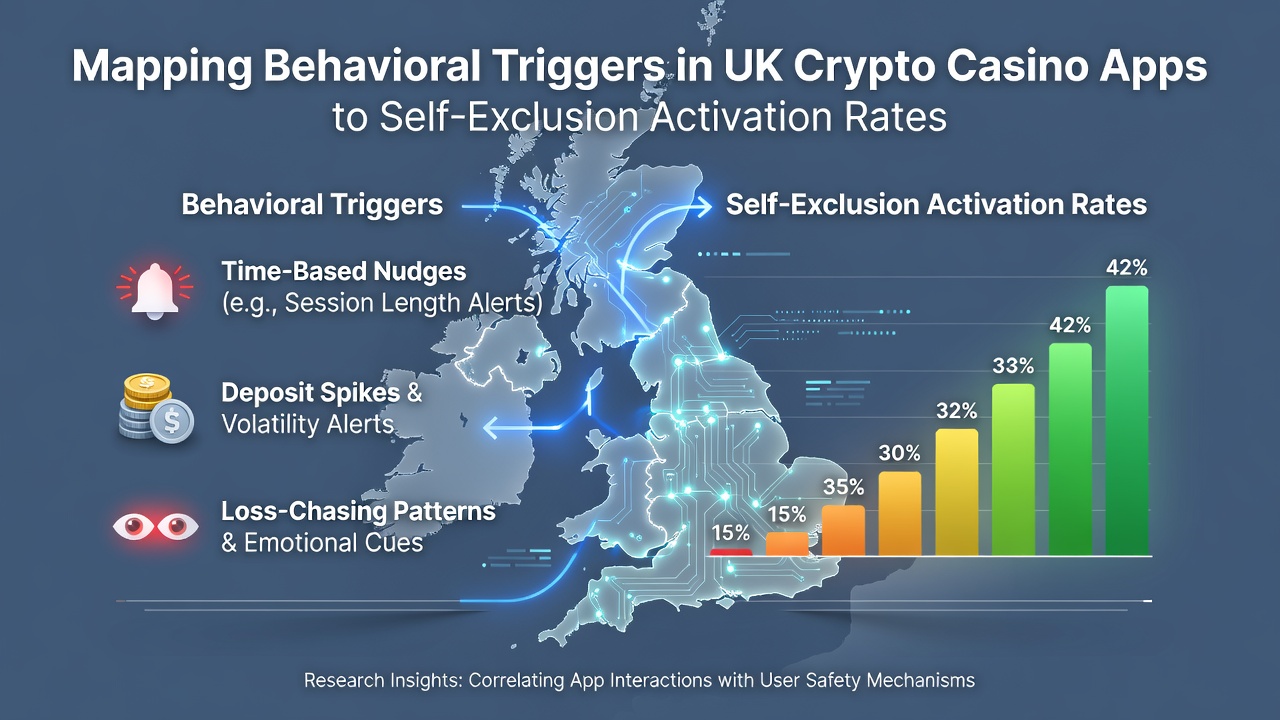
Behavioral triggers within UK crypto casino applications connect directly to self-exclusion activation rates through patterns in user interaction data, transaction frequency, and session duration metrics that operators track in real time. Researchers at several academic institutions have compiled datasets that link specific actions such as rapid deposit sequences or extended login periods to subsequent enrollment in voluntary exclusion programs, and these correlations appear in aggregated reports spanning multiple licensed platforms.
Core Behavioral Indicators Tracked by Operators
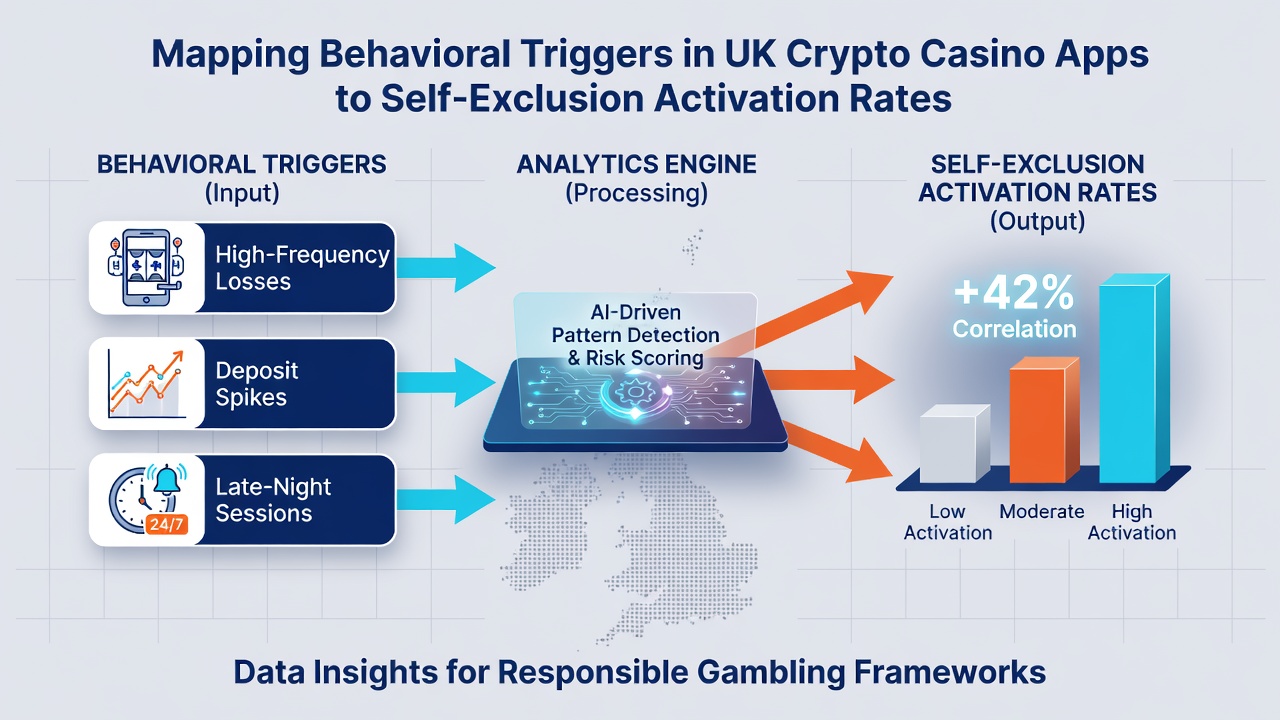
Operators monitor login frequency spikes, deposit amount escalations, and withdrawal hesitation signals as primary indicators because studies show these actions often precede self-exclusion requests by days or weeks. Data indicates that users who increase transaction volumes by more than 40 percent within a 72-hour window demonstrate higher rates of activating exclusion tools compared with those maintaining steady patterns, while session lengths exceeding four consecutive hours correlate with a measurable uptick in exclusion program sign-ups according to analyses conducted across several networks.
Patterns emerge when algorithms flag consecutive losses followed by immediate deposit attempts because such sequences appear in user logs at elevated rates among those who later choose self-exclusion. Experts note that cryptocurrency-specific features like instant wallet transfers amplify these triggers since they reduce friction between decision and action, and figures from platform audits reveal that apps integrating on-chain transaction visibility see earlier detection of these sequences than traditional payment models.
Data Mapping Techniques and Analytical Frameworks
Mapping processes rely on time-series analysis that aligns individual user events with exclusion activation timestamps, allowing researchers to calculate lag periods between trigger events and program enrollment. Machine learning models trained on anonymized datasets identify clusters where multiple indicators coincide, such as nighttime activity surges combined with bet size increases, and these clusters show activation rates up to three times higher than baseline groups in controlled comparisons.
One study revealed that incorporating volatility metrics from slot games into the mapping improved prediction accuracy because high-volatility sessions often precede exclusion requests more frequently than low-volatility play. Observers note that combining these metrics with payment gateway logs creates a multi-dimensional view where each trigger receives a weighted score based on historical activation frequency.
Developments Reported Through October 2026
Reports compiled through October 2026 highlight expanded use of real-time behavioral dashboards that update trigger scores continuously, enabling operators to surface exclusion prompts at moments when activation likelihood peaks. These dashboards integrate data from multiple crypto networks and flag cross-platform activity where users move funds rapidly between apps, a pattern linked to increased exclusion uptake in longitudinal tracking.
Academic teams have begun publishing comparative analyses that contrast UK crypto app data with findings from other jurisdictions, and the work shows consistent directional relationships even when regulatory frameworks differ. What's interesting is that the addition of automated limit suggestions tied directly to detected triggers has produced measurable shifts in activation timing, with users responding to prompts sooner when the suggestion appears immediately after a flagged sequence.
Integration with Broader Protection Systems
Self-exclusion activation rates rise when behavioral mapping feeds directly into unified user profiles that span multiple operators because shared signals prevent circumvention through account switching. Industry reports from the National Council on Problem Gambling document similar integration successes in other markets, while research from the Australian Institute of Family Studies underscores how cross-operator data sharing strengthens early intervention outcomes.
Those who have examined the datasets observe that crypto-specific elements such as wallet address persistence aid in accurate user identification across sessions, which in turn supports more reliable trigger-to-activation mapping. The process remains dependent on voluntary user consent for data use, yet the resulting statistics demonstrate clear associations between monitored behaviors and subsequent program enrollments.
Conclusion
Mapping behavioral triggers in UK crypto casino apps produces quantifiable links to self-exclusion activation rates through systematic analysis of transaction patterns, session metrics, and temporal sequences. Continued refinement of these mapping frameworks as of October 2026 supports more precise timing for intervention tools while maintaining compliance with data protection requirements across licensed platforms.