How Transaction Monitoring Algorithms Support Addiction Prevention in Britain's Licensed Crypto Casino Networks
Viktor Zimmermann · Sep 16, 2026
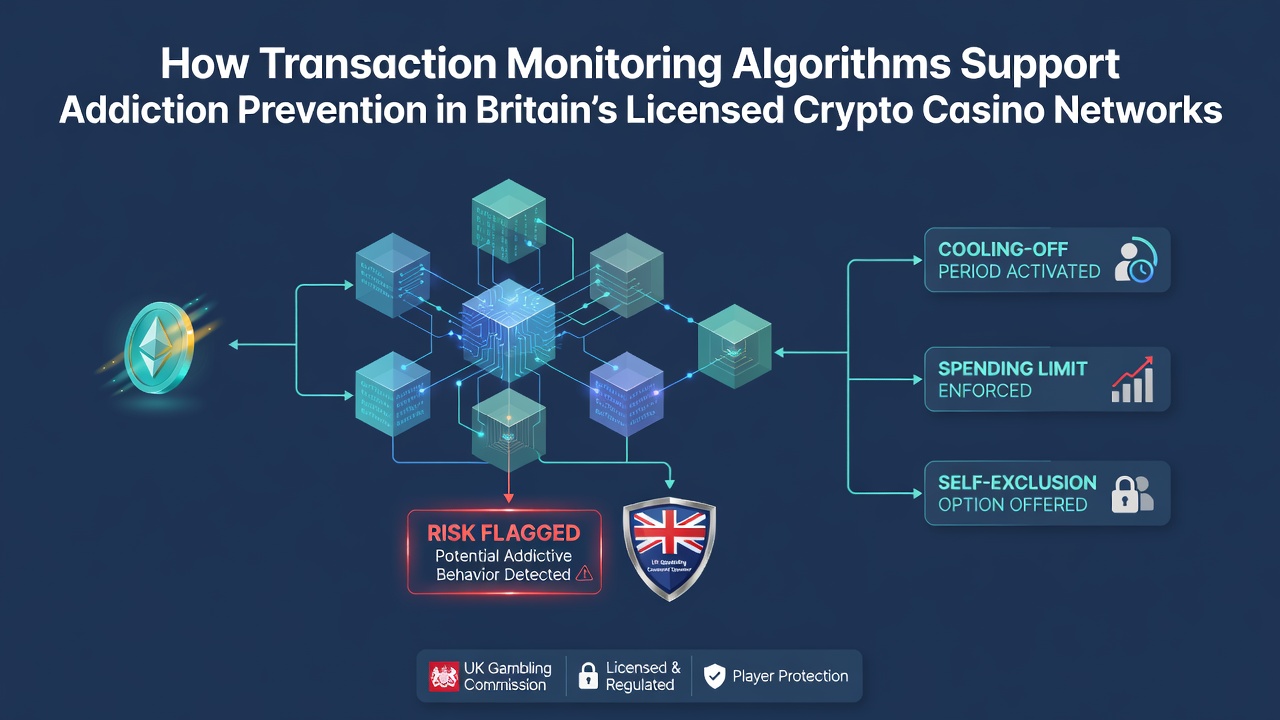
How Transaction Monitoring Algorithms Support Addiction Prevention in Britain's Licensed Crypto Casino Networks
Britain's licensed crypto casino networks rely on transaction monitoring algorithms to identify spending patterns that may signal gambling addiction risks, and these systems operate by analyzing deposit frequency, withdrawal timing, and transaction volumes across blockchain networks. Data from regulatory filings shows that operators must integrate such tools to maintain compliance while operators deploy machine learning models that flag unusual activity in real time. Researchers at academic institutions have documented how these algorithms process thousands of data points per second, comparing individual behavior against established risk thresholds derived from population studies.
Core Mechanisms Behind Pattern Detection
Algorithms track sequences such as rapid successive deposits followed by immediate bets, or large transfers to multiple wallet addresses within short windows, because these behaviors often correlate with loss-chasing cycles according to behavioral data compiled by independent research groups. When a player's crypto transactions exceed predefined limits, for instance more than five deposits exceeding a certain threshold in under an hour, teh system generates an automated alert that routes to responsible gambling teams. Studies published in peer-reviewed journals indicate that combining velocity metrics with time-of-day analysis improves detection accuracy, since late-night high-volume activity frequently appears in records of individuals who later self-report addiction concerns.
Blockchain transparency allows these systems to trace fund flows across addresses even when users attempt to obscure activity through mixers or rapid swaps, and operators in Britain have adopted protocols that cross-reference wallet histories against known high-risk indicators. One study from an Australian research center revealed that similar monitoring reduced repeat high-risk transactions by noticeable margins after implementation, while European operators reported parallel outcomes when algorithms incorporated machine learning trained on anonymized datasets.
Integration With Broader Prevention Frameworks
Transaction monitoring does not operate in isolation but connects directly to self-exclusion databases and cooling-off mechanisms, so that a flagged account can trigger automatic restrictions on further deposits without manual intervention. In September 2026 several networks updated their protocols to include predictive scoring that anticipates escalation based on the previous thirty days of activity, allowing earlier outreach through in-app messages or mandatory breaks. Observers note that this layered approach combines financial signals with account-level data such as session length and bet sizing, creating a more complete risk profile than transaction data alone could provide.

Operators also feed aggregated findings back into model refinement, because ongoing calibration against new behavioral patterns keeps detection rates aligned with evolving player habits. Figures released by industry associations show that licensed platforms processing crypto payments now allocate dedicated compliance staff to review algorithm outputs daily, ensuring that interventions remain proportionate and documented for audit purposes. What's interesting is how these systems distinguish between professional-level trading activity and recreational play by applying multi-factor filters that include account tenure and average transaction size relative to declared income brackets where available.
Developments and Data Trends Through 2026
By September 2026 updates to monitoring software incorporated improved natural language processing for chat logs that accompany certain crypto casino features, allowing correlation between expressed frustration and spending spikes. Academic papers from Canadian universities have examined how such combined datasets improve early intervention success rates, while trade reports from gaming technology providers confirm that real-time blockchain analytics now cover a wider range of tokens beyond major cryptocurrencies. Those who manage compliance programs report that false positive rates have declined as models receive training on larger, more diverse samples drawn from multiple jurisdictions.
External audits conducted by independent firms verify that algorithms do not discriminate on demographic grounds and instead focus strictly on behavioral signals, satisfying requirements set by various oversight bodies. Data indicates that operators who publish annual transparency reports on intervention volumes help build public confidence, and such disclosures often include breakdowns of how many accounts received temporary limits after automated flags.
Conclusion
Transaction monitoring algorithms form a central component of addiction prevention efforts within Britain's licensed crypto casino networks by providing continuous, data-driven oversight of financial activity that human teams alone cannot scale. These systems detect risk indicators through pattern recognition, integrate with exclusion tools, and adapt over time based on performance metrics, all while operating under established compliance standards. As networks continue to refine their approaches through 2026 and beyond, the combination of algorithmic precision and regulatory oversight remains the primary mechanism for identifying and addressing potential gambling-related harm at the transaction level.