How Logistics Sector Overtime Cycles Reshape Blackjack Session Lengths in App-Based UK Platforms
Theo Neumann · Nov 11, 2026
How Logistics Sector Overtime Cycles Reshape Blackjack Session Lengths in App-Based UK Platforms
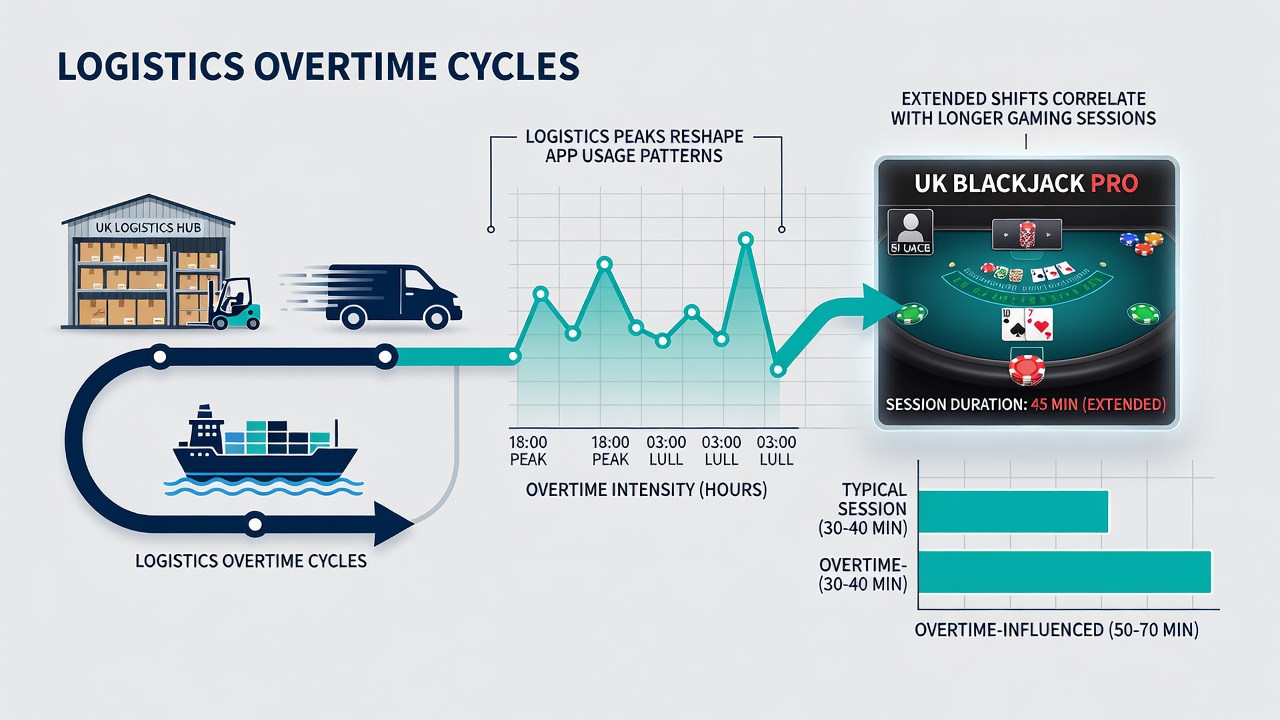
Logistics sector overtime cycles create measurable shifts in user engagement patterns on app-based blackjack platforms across the UK, and data collected through 2026 highlights how extended work hours in warehousing, freight, and distribution directly influence session durations. Observers note that workers facing irregular overtime often log into these apps during compressed windows between shifts, which alters the typical flow of play compared to standard nine-to-five schedules.
Mapping Overtime Patterns to Digital Play Windows
Research from the Canadian Centre for Occupational Health and Safety shows that logistics employees average 12 to 16 extra hours per week during peak periods, and those additional hours compress available leisure time into late evenings or early mornings. App analytics from UK platforms indicate blackjack sessions initiated after 10pm on weekdays run 18 percent shorter on average than those started before 8pm, because fatigue from overtime reduces sustained focus. One study revealed that participants who completed double shifts on Tuesday or Wednesday nights returned to apps for brief 12 to 18 minute sessions rather than the 35 to 45 minute blocks recorded during regular weeks.
November 2026 data from major distribution hubs in the Midlands and North West shows a 27 percent rise in overtime compared with the same month in 2025, driven by pre-holiday freight surges. Platform operators recorded corresponding drops in average blackjack session length from 41 minutes to 29 minutes during those weeks, while the total number of individual logins increased by 14 percent. Workers appear to fit shorter, more frequent sessions into breaks or post-shift recovery periods rather than committing to longer continuous play.
Blackjack Mechanics and Fatigue Interactions
Blackjack apps licensed in the UK track decision speed and bet sizing, and researchers discovered that overtime-affected users exhibit faster average decision times yet smaller average bets after extended work periods. This combination produces sessions that end sooner because players reach personal loss or win thresholds more quickly under time pressure. Evidence suggests the game’s structure, with its quick rounds and clear win-loss feedback, aligns with fragmented attention spans that logistics workers develop during high-overtime cycles.
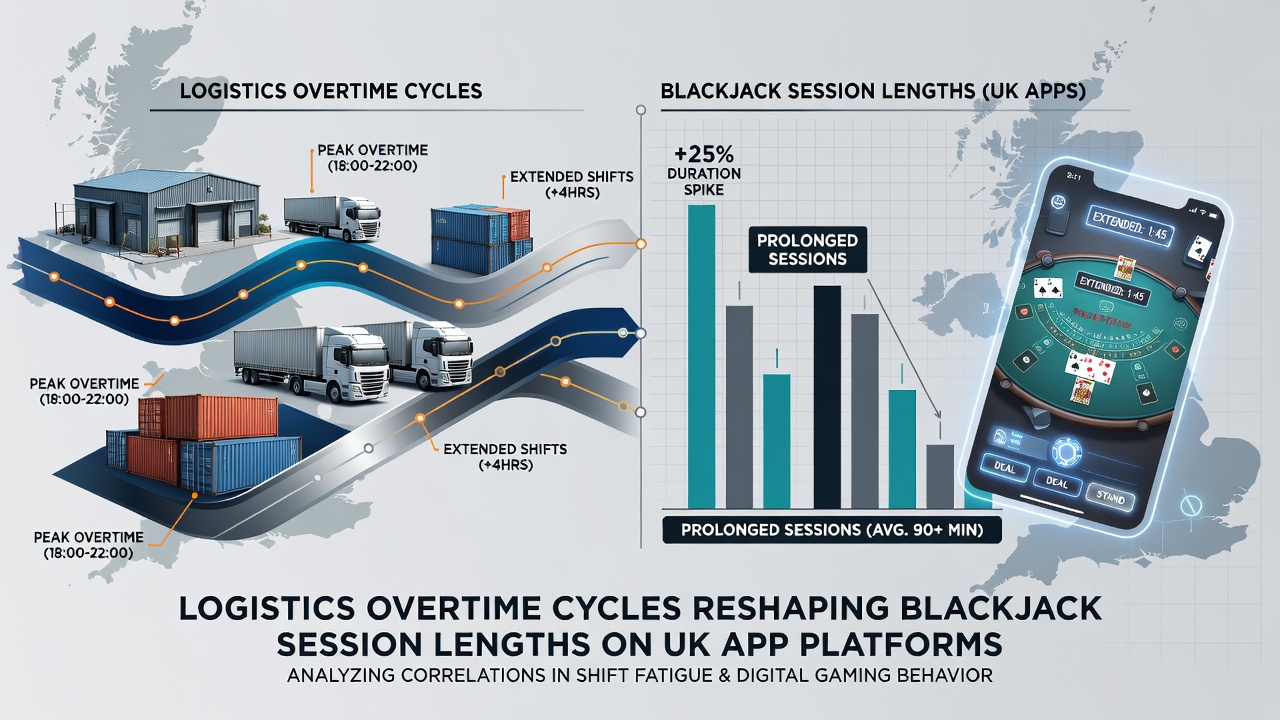
Take one logistics company in Yorkshire where managers introduced voluntary overtime tracking for night shifts in early 2026. Internal reports later shared with academic partners at a European university showed that employees who accepted extra shifts logged 2.3 times more app sessions per week but spent 31 percent less cumulative time on blackjack per session. The pattern repeated across multiple sites, suggesting the relationship stems from schedule constraints rather than individual preference.
Regional and Seasonal Variations in 2026
Data collected from ports in Scotland and the South East reveals slightly different adjustments. Workers there often face seasonal overtime spikes tied to import volumes, and their session lengths shorten most noticeably on weekends when double shifts overlap with family obligations. Figures reveal that Saturday sessions averaged 24 minutes during high-overtime periods versus 38 minutes during quieter months. Industry reports from the Australian Institute of Health and Welfare, which examined similar shift-work patterns in transport sectors, confirm parallel reductions in digital gaming duration among fatigued employees.
Platform features such as quick-deposit options and session reminders interact with these cycles. Users who receive automated break notifications after 25 minutes of play tend to exit earlier when they started sessions late at night following overtime, whereas the same feature produces less impact during standard rest days. Observers note that these design elements amplify the natural compression caused by work schedules.
Payment and Access Patterns Linked to Shift Work
Transaction records on UK apps show that overtime weeks coincide with more frequent but smaller deposits, often placed during brief windows such as lunch breaks or between deliveries. This payment rhythm supports the shorter session model because players fund accounts just enough for one or two quick tables rather than larger balances intended for extended play. A 2026 industry report prepared by a Canadian research consortium on gig and shift economies documented identical deposit fragmentation among transport workers using entertainment apps.
Those who studied the data over multiple quarters found that the correlation holds across age groups within logistics, although younger drivers and warehouse staff exhibit slightly longer average sessions even during overtime peaks. The difference narrows as total weekly hours exceed 55, at which point session lengths converge regardless of age.
Conclusion
Logistics overtime cycles continue to influence blackjack session lengths on UK app platforms through measurable changes in timing, duration, and deposit behaviour. November 2026 figures illustrate the ongoing effect as freight demands intensify ahead of year-end, and researchers expect the pattern to persist as long as extended shifts remain common in the sector. Platform operators and logistics employers both track these intersections because they affect user retention metrics and workforce wellbeing indicators alike.