Examining How British Gambling Legislation Influences Cryptocurrency Transaction Protocols in Mobile Casino Platforms
Viktor Zimmermann · Aug 23, 2026
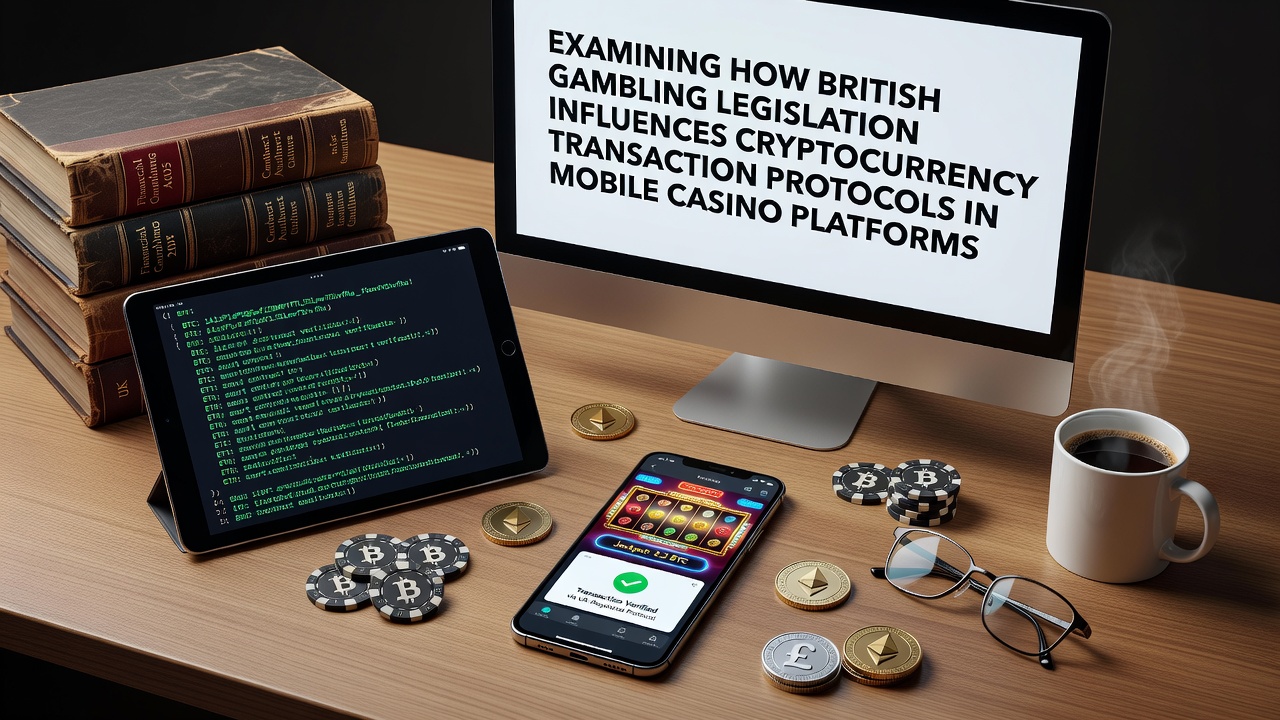
Examining How British Gambling Legislation Influences Cryptocurrency Transaction Protocols in Mobile Casino Platforms
British gambling legislation shapes cryptocurrency transaction protocols in mobile casino platforms through a series of compliance requirements that operators must integrate into their systems, and these rules affect everything from wallet verification to blockchain data handling while platforms adjust their technical setups accordingly. Researchers have tracked how such frameworks push developers toward enhanced security layers that align transaction speeds with legal reporting standards, and data from industry reports shows measurable shifts in protocol design across multiple operators since earlier regulatory updates took effect.
Core Elements of Legislative Influence on Crypto Transactions
Legislation establishes mandatory anti-money laundering checks that require mobile platforms to embed real-time identity verification into cryptocurrency flows, which means protocols must now support encrypted data sharing with authorized third parties without disrupting user sessions. Studies indicate these measures lead to the adoption of hybrid blockchain solutions where transaction logs include optional compliance flags, and platforms in turn modify smart contract parameters to flag high-value transfers for review. Observers note that by August 2026 several operators had rolled out updated protocols incorporating multi-signature approvals tied directly to legislative thresholds on deposit sizes.
Transaction anonymity features face restrictions under these rules, prompting developers to implement selective disclosure mechanisms that reveal wallet details only when triggered by regulatory queries. Evidence from technical analyses reveals increased use of zero-knowledge proofs in mobile apps, allowing verification without full public ledger exposure, while still satisfying audit trails demanded by oversight bodies. Those who examine protocol updates find that integration often occurs through API connections to licensed payment processors, creating layered systems that balance speed with traceability.
Adaptations in Mobile Casino Platform Architecture
Mobile casino platforms respond to legislative pressures by redesigning their backend systems to handle cryptocurrency deposits and withdrawals through segregated channels that separate gaming funds from operational wallets. This separation helps meet segregation-of-funds rules and leads engineers to adopt time-stamped logging protocols that record every crypto transfer in formats compatible with financial reporting software. Research indicates platforms using Bitcoin and Ethereum variants have introduced dynamic fee adjustment algorithms that account for compliance overhead, keeping user costs stable despite added verification steps.
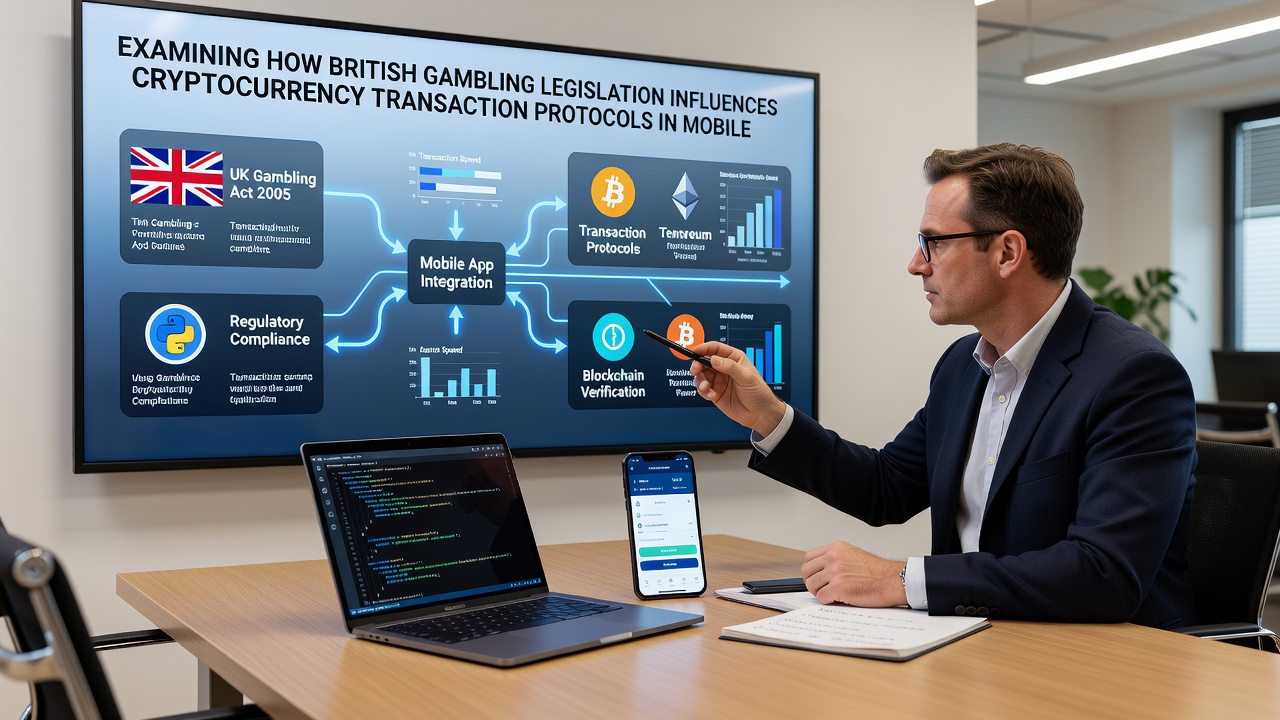
Software teams incorporate geofencing technology that cross-checks user locations against approved jurisdictions before processing crypto bets, and this step ties directly into legislative requirements for responsible access controls. Data collected by platform analytics teams shows reduced transaction failure rates after these features rolled out, because protocols now include fallback options that route non-compliant attempts to fiat alternatives. Experts have observed that such changes encourage broader adoption of stablecoins in mobile environments, since their price stability simplifies compliance calculations during audits.
International Regulatory Comparisons and Data Trends
Similar patterns appear in other regions where gambling rules intersect with digital currency oversight, for instance the approach taken by the Financial Action Task Force which sets global standards that many jurisdictions reference when updating local protocols. British frameworks share common ground with Canadian provincial systems in demanding enhanced due diligence for crypto volumes above certain thresholds, and reports from the Canadian Gaming Association highlight parallel shifts toward protocol-level KYC integration in gaming apps. Academic papers from institutions like the University of Sydney further document how these cross-border alignments accelerate the development of standardized transaction APIs that mobile casinos deploy across multiple markets.
Figures from industry surveys reveal that platforms operating under multiple regulatory regimes invest more heavily in modular protocol designs, allowing quick swaps of compliance modules as legislation evolves. This modularity reduces downtime during updates and supports smoother user experiences on mobile devices, while still enforcing the core verification steps required in each jurisdiction. Those reviewing deployment timelines note that operators often test new protocol versions in controlled environments before full rollout, ensuring compatibility with both British rules and international partners.
Technical Protocol Adjustments and Future Developments
Developers adjust smart contract logic to include automated reporting triggers that activate when transaction patterns match legislative risk profiles, and this automation cuts down manual review times for compliance teams. Evidence suggests that such triggers have become standard in newer mobile casino releases, particularly those supporting multiple cryptocurrencies simultaneously. Platforms also experiment with layer-two scaling solutions that preserve transaction privacy features while generating the audit-ready metadata demanded by regulators.
By mid-2026 technical roadmaps published by several operators outlined plans for deeper integration of regulatory oracles into blockchain networks, allowing real-time compliance status checks during active gaming sessions. These oracles pull from verified databases without exposing sensitive user data, and early implementations show promise in maintaining both speed and legal adherence. Research continues into quantum-resistant encryption methods that could future-proof protocols against evolving security standards tied to gambling legislation.
Conclusion
British gambling legislation continues to drive specific technical changes in cryptocurrency protocols used by mobile casino platforms, resulting in verifiable shifts toward compliant transaction handling across the sector. Data trends and protocol updates through August 2026 demonstrate ongoing adaptation that balances operational needs with regulatory demands, and similar influences appear in comparable frameworks worldwide. Further examination of these intersections provides clearer insight into how digital currency systems evolve under structured legal environments.