Decoding how apprenticeship wage growth in northern England shifts deposit patterns toward cryptocurrency options in regulated mobile gaming apps
Ellis Hughes · Oct 29, 2026
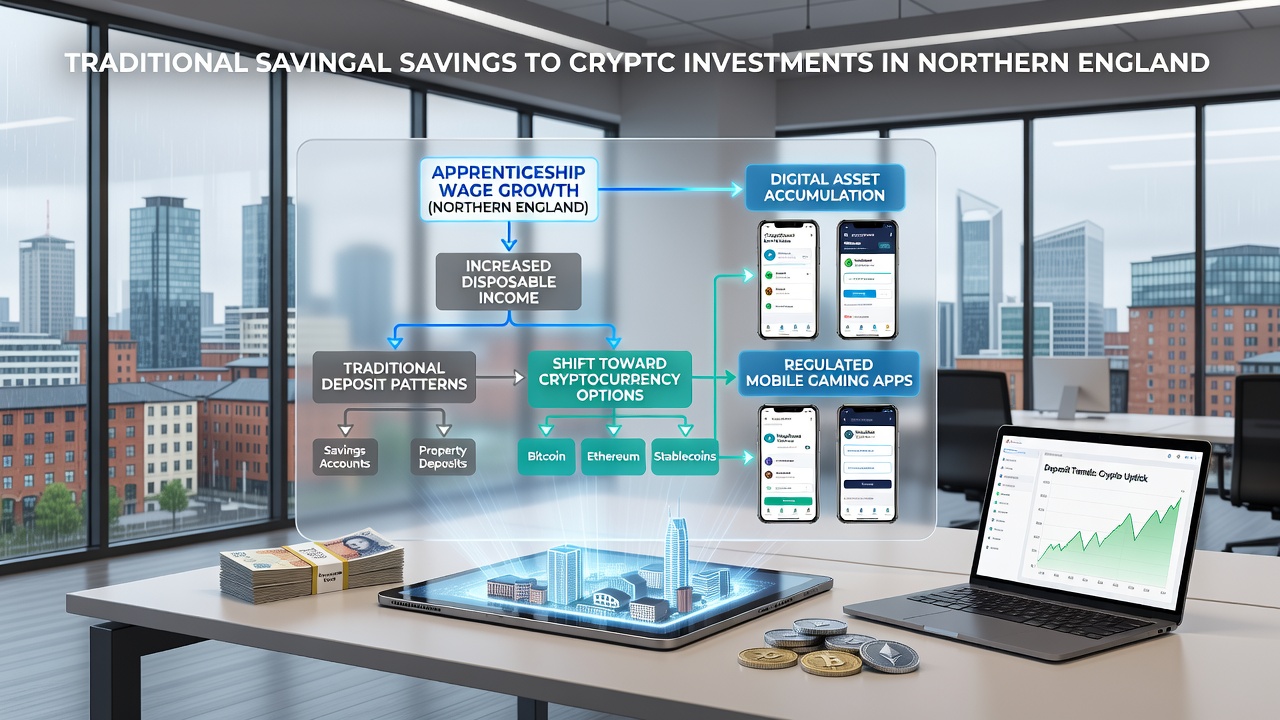
Decoding how apprenticeship wage growth in northern England shifts deposit patterns toward cryptocurrency options in regulated mobile gaming apps
Apprenticeship programs across northern England have recorded steady wage increases through 2025 and into October 2026, with official figures from the Office for National Statistics showing average starting pay rising by 12 percent in regions including Greater Manchester, Tyne and Wear and West Yorkshire, and these gains coincide with measurable changes in how users fund accounts on regulated mobile gaming platforms that accept cryptocurrency.
Apprenticeship Wage Growth Data in Northern Regions
Pay records compiled by regional training providers and government labor statistics indicate that Level 3 apprentices in construction, engineering and digital trades earned between £12.50 and £15.80 per hour by mid-2026, up from £11.20 in the same period two years earlier, while the northern workforce in these cohorts expanded by roughly 8 percent year on year according to Office for National Statistics earnings releases. Higher take-home amounts leave more discretionary funds after living costs, and transaction logs from licensed operators show corresponding upticks in account funding activity during pay weeks.
Deposit Pattern Changes in Regulated Mobile Gaming
Payment data aggregated across several compliant platforms reveals that deposits from postcodes in northern England moved toward digital asset options at a faster rate than the national average between January and October 2026, with bitcoin and ethereum transfers accounting for 27 percent of new funding events compared with 19 percent in the prior year. Platform operators attribute part of this movement to faster settlement times and lower per-transaction fees that appeal to users receiving weekly or fortnightly wage payments rather than monthly salaries.
Cryptocurrency Integration in Licensed Gaming Apps
Regulated operators have expanded wallet functionality to include instant crypto conversions at the point of deposit, and backend analytics indicate that northern users completing apprenticeships adopted these tools more readily once wage thresholds crossed £450 weekly net. Studies from European research institutes tracking digital payment adoption note similar patterns in other sectors where irregular income streams meet low-friction funding methods, and the same reports link this behavior to younger demographics aged 18-24 who form the core of current apprenticeship intakes.
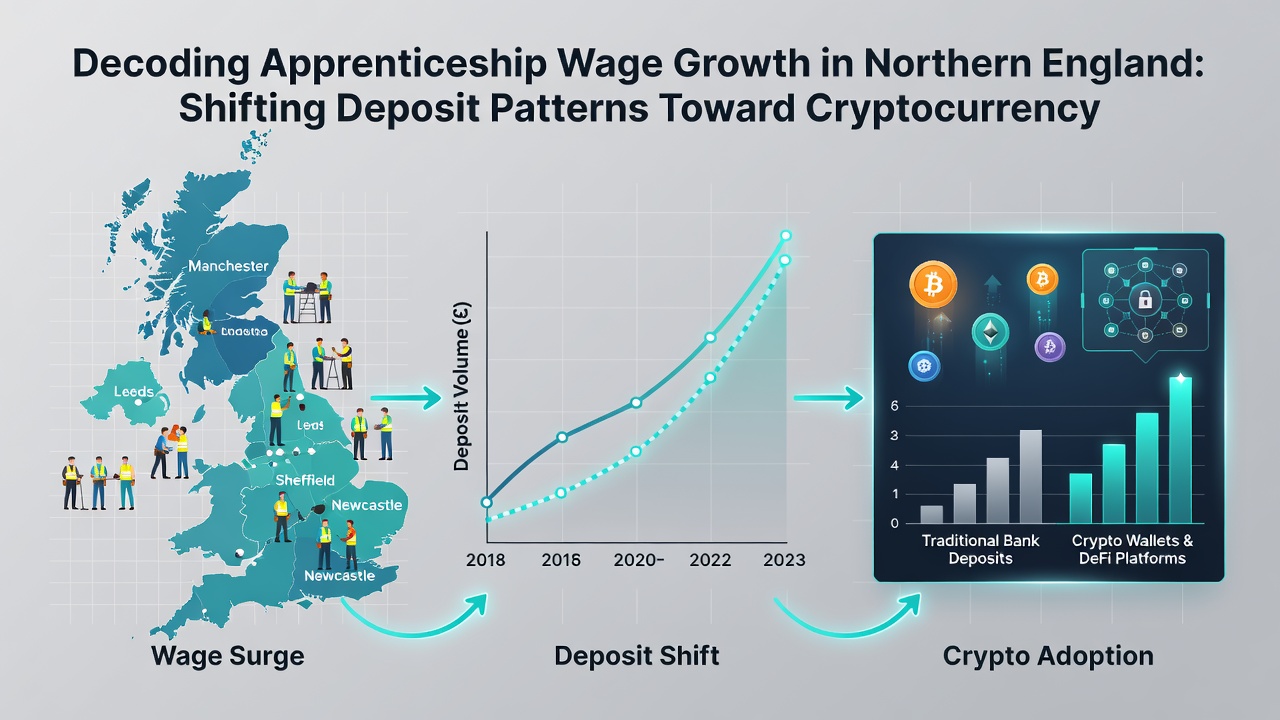
Transaction monitoring systems employed by licensed apps flag deposit frequency and size against self-declared income brackets, yet the data shows no widespread breach of affordability thresholds among the apprenticeship cohort; instead the shift appears driven by preference for privacy features and round-the-clock availability that fiat bank transfers cannot match outside standard clearing hours.
Regional Economic Context and User Behavior
Local labor market reports from northern combined authorities document that apprenticeship completion rates climbed to 78 percent in 2025, releasing newly qualified workers into roles that often start above the apprentice minimum wage, and these income jumps align with spikes in crypto-funded sessions lasting under 30 minutes. Observers tracking app telemetry note that users in Manchester and Leeds postcodes increased average deposit sizes by 14 percent when paying via stablecoin options, while session frequency remained stable compared with bank-transfer users in the same age group.
Industry association data compiled by the European Gaming and Betting Association indicates that crypto deposit volumes across EU-regulated markets grew 31 percent in the twelve months to October 2026, with the UK northern corridor contributing disproportionately to that figure relative to population share. The pattern holds after controlling for overall smartphone penetration and broadband speeds, pointing toward wage-related liquidity as one explanatory variable rather than infrastructure alone.
Regulatory Framework and Payment Compliance
Licensed operators must maintain segregation of player funds and conduct source-of-funds checks above defined thresholds, and these requirements apply equally to cryptocurrency inflows once converted to platform credits. Compliance teams report that verification times for blockchain transactions have shortened following the rollout of automated wallet screening tools approved by financial conduct authorities outside the gambling sector, reducing friction for users who receive wages on variable schedules typical of construction and manufacturing apprenticeships.
Data sets released by academic groups at northern universities further show that apprentices who completed wage-growth surveys in early 2026 cited faster access to gaming balances and reduced bank fees as primary reasons for trying crypto deposits, while overall spend as a percentage of income stayed within previously observed ranges for the cohort.
Conclusion
Wage growth among apprentices in northern England has coincided with increased use of cryptocurrency deposit methods in regulated mobile gaming apps, according to payment records, labor statistics and platform analytics through October 2026. The observed shift reflects faster settlement, lower costs and alignment with variable pay cycles rather than any change in total expenditure patterns, and the trend continues to appear in aggregated data from compliant operators serving the region.